

A Parent’s Guide to Buying Football Boots for UK Pitches
Did you know that playing in the wrong football boots increases a child's injury risk by up to 30% on certain pitches? For parents across the UK, the annual quest for new football boots is more than just a shopping trip; it's a critical decision impacting safety, performance, and enjoyment. With soggy winter pitches, rock-hard summer grounds, and artificial turf, finding the perfect pair can feel like navigating a minefield. This guide arms you with knowledge to make confident choices, ensuring your young footballer shines on any UK pitch.
A Parent’s Guide to Buying Football Boots for UK Pitches
Every year, as the football season approaches, parents across the UK face buying new junior football boots. This involves understanding diverse playing surfaces and matching footwear to specific conditions. From muddy park pitches to modern artificial turf, each surface demands a different sole for optimal grip, comfort, and safety.
The 'why' is crucial: the right boots enhance a child's performance and significantly reduce injury risks like ankle sprains or knee issues. Ensuring safety and maximising enjoyment makes this guide essential, transforming a confusing purchase into an informed decision benefiting your budding footballer.
Understanding the UK Pitch Landscape and Its Impact on Football Boot Choices
The Unique Challenges of British Football Pitches for Footwear
The UK's unpredictable weather profoundly impacts football pitch conditions, ranging from firm and dry to muddy bogs. Natural grass pitches vary, and increasingly, artificial pitches (3G or 4G) demand specific boot types. Understanding this diverse landscape is the first step in an informed purchase.
Why Matching Boots to Pitch Type is Not Just a Suggestion, But a Necessity
Choosing the correct football boot for the specific pitch type is fundamental for safety and comfort. Using FG boots on soft ground causes slips; SG boots on hard or artificial pitches risk knee and ankle injuries. Wrong boots also wear out prematurely. Matching the boot to the pitch invests in your child's well-being and footwear longevity.
Decoding Football Boot Types: A Deep Dive into Soles and Stud Configurations
Firm Ground (FG) Boots: The Everyday Warrior for UK Grass
Firm Ground (FG) boots are the most common choice for grassroots football in the UK, designed for natural grass pitches that are dry to slightly damp. Their soleplates feature moulded plastic studs, typically conical or bladed, providing excellent traction.
FG boots are versatile for most good-to-average natural grass pitches during spring and autumn, offering a good balance of grip and comfort. However, they struggle on exceptionally hard, baked-dry summer pitches or extremely soft, waterlogged winter pitches.
Soft Ground (SG) Boots: Conquering the Mud and Slippery Conditions
Soft Ground (SG) boots are engineered for wet, muddy, or extremely soft natural grass pitches, often seen during heavy downpours. They feature longer, often removable, metal or plastic studs designed to penetrate deep into soft ground for maximum grip and to prevent slips.
Parents whose children play on waterlogged pitches, particularly in colder, wetter months, should consider SG boots. Many modern SG boots feature hybrid soleplates for adaptive grip. These boots should never be worn on hard ground or artificial surfaces due to injury risks and damage.
Artificial Ground (AG) Boots: The Specialist for Modern Synthetic Surfaces
With the rise of 3G and 4G pitches across the UK, Artificial Ground (AG) boots are indispensable. These synthetic pitches, with their rubber crumb infill, require a different soleplate. AG boots feature numerous shorter, hollow, conical studs to distribute pressure evenly and prevent snagging in the turf.
Using FG boots on 3G or 4G pitches is dangerous; longer studs can snag, leading to knee and ankle injuries. Investing in dedicated AG boots is crucial for safety, comfort, and longevity if your child regularly plays on modern synthetic pitches.
Astro Turf (TF) Boots: Maximising Grip on Harder Artificial Pitches
Astro Turf (TF) boots are designed for older-generation artificial pitches, which are harder, shorter-pile, and sometimes sand-filled. They also suit very hard natural surfaces. TF boots feature a durable rubber outsole with a multitude of small, rubber studs or nubs.
This multi-studded configuration provides excellent grip and cushioning on hard surfaces, distributing pressure broadly. Ideal for casual kickabouts or training on older astro pitches, they offer superb comfort and stability. However, they lack the deep penetration for natural grass or specialised grip for modern 3G/4G pitches.
Multi-Ground (MG) Boots: The Versatile Option for Varied Play
Multi-Ground (MG) boots are a newer category offering versatility across different playing surfaces, often with a blend of shorter, conical studs. They aim to provide reasonable performance on both firm natural grass and artificial turf, reducing the need for multiple pairs.
For parents on a budget or whose children play on varied pitches, MG boots offer a convenient compromise. They reduce injury risk associated with wearing FG on AG, while still offering decent traction on drier natural grass. Though versatile, MG boots are often "jack of all trades, master of none," but are a solid all-round solution for varied UK grounds.
Beyond the Soles: Key Considerations for Comfort, Performance, and Durability
Choosing the Right Material: Leather vs. Synthetic for Young Players
The upper material significantly impacts comfort, touch, and durability. Leather football boots, especially K-leather, are prized for their natural feel, comfort, and ability to mould to the foot, offering a 'barefoot' touch. They can be more expensive, require more maintenance, and might be less durable in very wet conditions.
Synthetic football boots are typically lighter, more durable, and more water-resistant, making them practical for wet UK pitches. Modern synthetics can mimic leather's feel, but often with a stiffer initial fit. They are easier to clean and maintain, a huge bonus for busy parents, suiting fast players or those needing low-maintenance footwear.
The Importance of a Perfect Fit: Measuring, Trying On, and Avoiding Injuries
A perfect fit is paramount to prevent blisters, discomfort, and injury. Always measure your child's feet accurately, ideally at day's end, and have them try boots with typical football socks. The fit should be snug, not tight, with no excessive heel movement and about a thumb's width space at the longest toe.
Pay attention to width. Test boots by walking or running. While boots, especially leather, stretch slightly, don't rely on dramatic stretching. Buying boots too big for "growth room" harms ball control and increases tripping risk.
Ankle Support and Protection: High-Cut, Mid-Cut, and Low-Cut Designs
Boot designs around the ankle vary from traditional low-cut to modern high-cut 'collars'. Low-cut boots offer maximum ankle freedom. Mid-cut and high-cut boots, with a sock-like collar, aim for enhanced ankle stability and a seamless connection.
These collars provide a sense of security but don't offer medical brace support. Choice depends on personal preference and comfort. If your child has a history of ankle issues, these designs might offer peace of mind, but always consult a medical professional for serious support needs.
Durability and Value: Making Your Investment Last Through the Season
Football boots endure significant wear, so investing in durability saves money and hassle. Choose reputable brands known for quality. Check upper stitching and the soleplate bond. A good pair, with proper care, should last a full season or until outgrown.
A slightly more expensive, well-constructed synthetic boot likely outlasts cheaper alternatives, even with frequent cleaning. Consider expected wear given play frequency and pitch conditions, ensuring lasting value.
Practical Steps for Parents: Your Buying Journey Simplified
Assessing Your Child's Playing Environment: Pitch Types and Frequency
Before shopping, assess your child's playing environment – this is the most critical factor for choosing the right football boot type. Consider where league matches and training occur: natural grass or artificial pitches? What are typical pitch conditions – muddy/soft or firm/dry?
Also, determine play frequency on each surface. If 80% of play is on 3G, AG boots are a clear priority. Understanding these factors narrows options, ensuring you buy functionally appropriate kids football boots.
Setting a Realistic Budget: Balancing Quality with Affordability
Junior football boots range widely in price. Setting a realistic budget helps guide choices. A higher price doesn't always mean the "best" boot; mid-range options often offer excellent value, blending good quality and affordability.
Consider previous season's models, often discounted but still performing superbly. Prioritise fit and function over brand prestige or the newest 'tech' if budget is a concern, ensuring suitable footwear.
The In-Store vs. Online Debate: Where to Find the Best Fit and Deal
Both in-store and online shopping have benefits. In-store, especially at specialist retailers, allows your child to try multiple pairs and receive expert advice on fit and suitability. This hands-on approach reduces the risk of ill-fitting boots.
Online shopping offers wider selection and better deals. The drawback is inability to try them on. If buying online, know brand sizing, read reviews, and check return policies. Strategy: find fit in-store, then search online for deals.
Bringing Your Child into the Decision: Empowering Their Choice
Involving your child in the decision-making process is crucial as they will wear the boots. Let them express colour and style preferences within reason. Most importantly, ensure their comfort; an awkward or tight boot hinders performance and enjoyment.
Educate them on why certain boots suit specific pitches, fostering understanding. A child who feels ownership and finds their boots comfortable is more likely to play with confidence and enthusiasm.
Expert Tips and Common Pitfalls to Avoid When Buying Junior Football Boots
Don’t Fall for the Hype: Prioritise Functionality Over Flashy Designs
It’s easy to be swayed by flashy designs and celebrity endorsements, but the most expensive or eye-catching boots aren't always best. The primary function of children's football boots is to provide grip, comfort, and protection suitable for the specific pitches they play on.
Prioritise the correct soleplate, a comfortable fit, and appropriate material over trends. An AG boot is functionally poor on soft, muddy grass, regardless of its looks. Focus on essential features for optimal performance and safety.
The Growth Spurt Dilemma: Balancing Current Fit with Future Growth
Children’s feet grow rapidly, tempting parents to buy boots a size too large, but this is a common pitfall. Boots that are too big cause blistering, discomfort, poor ball control, and increase tripping and ankle injury risks.
While a thumb's width of space is acceptable, significantly oversized boots are detrimental. If a growth spurt is imminent, consider a moderately priced, well-fitting pair for now. Two well-fitting, less expensive pairs are better than one ill-fitting, expensive one.
Post-Purchase Care: Extending the Life of Their New Football Boots
Proper care significantly extends the lifespan of football boots. After every use, especially on muddy UK pitches, clean them immediately: remove excess mud with a brush or cloth. If very wet, stuff with newspaper to absorb moisture, but avoid direct heat sources.
For leather boots, regularly apply conditioner to prevent drying and cracking. Store boots in a cool, dry place, ideally in a breathable boot bag. This simple routine maintains condition, comfort, and performance.
When to Replace: Signs of Wear and Tear and Performance Decline
Even with excellent care, football boots don't last forever. Knowing when to replace them is crucial for continued performance and safety. Look for worn-down or missing studs, which compromise grip. Check for soleplate separation, indicating compromised structural integrity.
Holes or significant tears in the upper reduce foot protection. Persistent discomfort, even after breaking in, can signal inadequate support or lost cushioning. Regular checks help identify these issues early, preventing injuries and ensuring reliable footwear.
Frequently Asked Questions About Buying Football Boots for UK Pitches
What is the main difference between firm ground (FG) and artificial ground (AG) boots?
FG boots have fewer, longer studs for natural grass, while AG boots feature numerous shorter, hollow, conical studs for synthetic turf. Using the wrong type, especially FG on AG, leads to poor grip, discomfort, and increased injury risk.
Can my child wear multi-ground (MG) boots on all types of UK pitches?
MG boots offer good versatility for firm natural grass and artificial turf. They are generally safer than FG on AG but are "jack of all trades, master of none," meaning they might not offer optimal grip on very soft, muddy pitches (SG needed) or precise traction of dedicated FG or AG boots.
How much growing room should I leave when buying junior football boots?
Ideally, about a thumb's width (roughly 1cm) of space between the longest toe and boot end. Excessive room causes blisters, poor ball control, and increased tripping/ankle injury risks. Focus on a snug, comfortable fit that secures the heel and midfoot.
What materials are best for football boots used on wet UK pitches?
Synthetic materials generally offer superior water resistance and durability in wet conditions compared to natural leather. They repel water, dry faster, and maintain shape, making them practical for frequently damp UK pitches. Leather can become heavy when wet and needs more care.
What should I do to properly clean and maintain my child's football boots?
After each use, clean off mud with a brush or cloth. If wet, stuff with newspaper to absorb moisture and air dry naturally, away from direct heat. For leather boots, regularly apply conditioner. This routine maintains condition, comfort, and performance.
Final Thoughts on Equipping Your Young Footballer for Success
Navigating football boots for UK pitches can seem daunting, but with the right knowledge, it simplifies supporting your child's passion. Understanding their specific playing pitches—muddy pitches, hard artificial turf, or firm grass—is key. Matching the correct soleplate ensures their safety and prevents common injuries, which is fundamental.
Beyond studs, material, fit, and proper care contribute to comfort, durability, and enjoyment. By prioritising functionality over trends and involving your child, you empower them to step onto any pitch confidently. Invest wisely, care diligently, and watch your young footballer thrive. Your thoughtful approach provides a reliable foundation for countless memories and sporting triumphs.
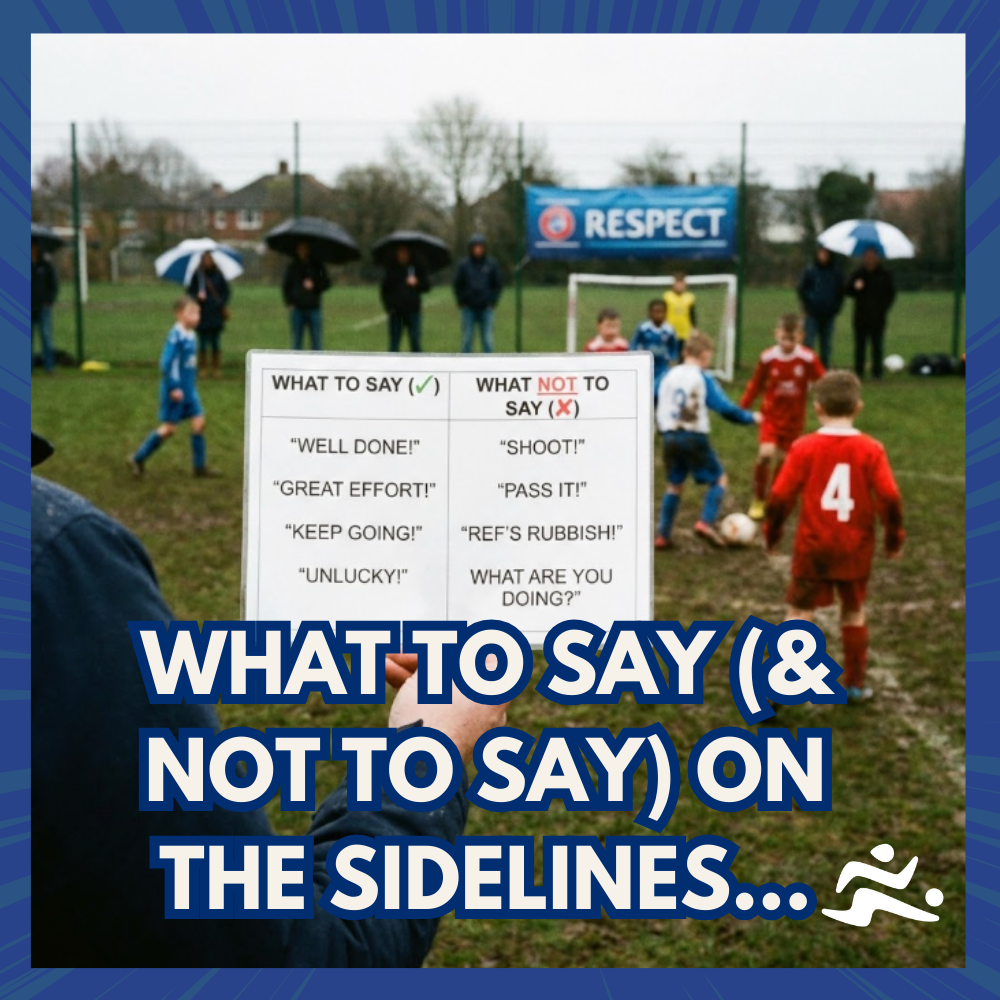
What To Say and Not to Say On The Sidelines of Your Child's Football Match
What To Say and Not to Say On The Sidelines of Your Child's Football Match
Did you know that 70% of children stop playing organised sports by the age of 13? Often, it's not due to a lack of talent or interest, but rather the pressure and negative experiences associated with the game. As parents, our presence on the sidelines is meant to be supportive, yet our words and actions can inadvertently create an environment of anxiety instead of joy. What if every comment you made could either fuel your child's passion or subtly chip away at their love for football? The truth is, your sideline demeanour holds immense power, shaping not just their performance but their entire sporting journey.
For many parents, watching their child play football evokes a mix of pride, excitement, and anxiety. We want them to succeed and enjoy the game, learning valuable life lessons. However, the sidelines of a youth football match can be tricky. Understanding what to say and not to say actively fosters a positive environment, boosting their confidence and enduring love for sports.
This comprehensive guide will unpack the profound impact of parental sideline behaviour, offering practical insights and actionable advice to transform you into the ultimate supporter for your young footballer. We’ll explore the 'what' behind effective communication and delve into the 'why' it truly matters, equipping you with tools for positive, growth-oriented match experiences.
Understanding the Critical Role of Parental Support in Youth Sports
A deep dive into why your presence and words on the sidelines significantly shape your child’s football journey and overall well-being, influencing everything from their confidence to their long-term engagement with the sport.
The Unseen Influence of Parental Presence at Your Child's Games
Parents often underestimate their profound impact on children during competitive football matches. Our children are acutely aware of our presence, seeking approval and comfort. Every cheer, sigh, or shouted instruction from the football sidelines registers powerfully, shaping their confidence. This psychological impact can be a double-edged sword, fostering either immense confidence or immense pressure.
If a young player makes a mistake and hears a frustrated groan, they might fear repeating errors instead of learning. This fear, amplified by parental reactions, stifles creativity and risk-taking vital for player development. Conversely, a supportive cheer for effort teaches resilience. Your parental sideline behaviour constantly shapes their self-perception and relationship with the sport.
Why Your Sideline Demeanour Shapes Their Sporting Future
Your sideline behaviour profoundly impacts your child's sporting future, not just a single game. Research shows children often quit sports due to excessive parental pressure or negative atmospheres. When games become chores rather than fun, children disengage. Your demeanour sets the tone: does it convey that performance defines their worth, or that effort and enjoyment are paramount?
Parents who shout instructions or criticise teach that winning is paramount, breeding fear and resentment. Conversely, calm, encouraging parents focusing on teamwork and sportsmanship foster a healthy perspective on competition. Children learn resilience and that playing joy outweighs the score, cultivating a lifelong love for sports.
The Golden Rules of Positive Sideline Communication for Parents
Establishing fundamental principles that foster a supportive and encouraging environment for every young player on the field, ensuring that your words contribute positively to their game day experience and long-term love for football.
Embracing the Role of Encourager, Not Critic, from the Spectator Zone
A powerful shift for parents on the youth football sidelines is embracing encouragement over criticism. Your role is an unconditional fan; the coach handles technical instruction. Focus on celebrating effort, highlighting positive actions, and showing enthusiasm. A simple "Great effort!" or "Keep going!" means the world, regardless of the outcome.
Imagine Leo's difficult pass goes out of bounds. Instead of criticism, his father claps, shouting, "Nice try, Leo! Keep your head up!" This small gesture communicates support, reinforcing that trying is valuable. Such positive reinforcement builds a child's self-esteem and courage, encouraging risk-taking and skill development without fear of judgment. Your positive presence becomes their safety net.
Prioritising Effort and Enjoyment Over Outcome and Performance
In youth sports, parents often fixate on scores and statistics, but effort and enjoyment are paramount for young players. Prioritising winning over process creates immense pressure, tying a child's worth to performance. Instead, shift focus to praising observable effort: "You worked so hard today!" or "I loved watching you run!"
Maya's parents critique her performance, while Sofia's focus on her fun and enjoyment. Maya dreads games, weighed by expectation, but Sofia loves football. This comparison highlights how parental focus creates different pathways. Celebrating effort and participation fosters intrinsic motivation, teaching perseverance and satisfaction beyond the scoreboard, preventing burnout.
What to Absolutely Say: Empowering Your Young Footballer
A comprehensive guide to constructive and uplifting phrases that build confidence and a lasting love for the beautiful game, ensuring your words serve as a powerful source of encouragement and positive reinforcement for your child.
Actionable Phrases That Build Confidence and Resilience on the Pitch
Your words have incredible power. Here are some of the most effective and positive phrases you can use on the sidelines to genuinely empower your child, building their confidence and fostering resilience:
1. "Great effort!" or "Nice try!" - Acknowledges exertion regardless of outcome.
2. "Keep working!" or "Don't give up!" - Encourages perseverance, showing belief.
3. "I love watching you play!" or "You're having so much fun out there!" - Focuses on enjoyment, reinforcing joy.
4. "Good run!" or "Nice pass, [teammate's name]!" - Praises specific actions, promotes team spirit.
5. "You've got this!" or "Believe in yourself!" - Powerful affirmations for self-belief.
6. "What a save!" or "Fantastic defending!" - Specific praise for defensive actions.
Using these phrases consistently helps to create a psychological safety net for your child. They learn that even if they make mistakes, your support is unwavering, and their effort is always valued. This foundation of unconditional encouragement is vital for youth sports development and a healthy competitive mindset.
Responding Positively to Mistakes and Learning Opportunities During the Match
Mistakes are crucial for learning in football. How parents react to errors facilitates or hinders this process. When your child makes a miskick or loses possession, it's a learning opportunity, not a catastrophe. Your response should reflect this understanding.
Instead of groaning, remain neutral or offer quick encouragement. A nod or clap communicates "It's okay, keep playing." During the game, focus should be on the next play, not dwelling on errors or fearing your reaction. For example, a calm "Shake it off, next time!" empowers them. This teaches resilience and self-correction, showing your support isn't conditional on perfection.
What to Definitely NOT Say: Avoiding Common Sideline Pitfalls
Identifying detrimental comments and behaviours that can undermine your child's experience, confidence, and passion for football, ensuring you avoid unintentionally creating stress or negativity on game day.
Common Sideline Comments That Harm Player Development and Self-Esteem
Just as some phrases build up, others can inadvertently tear down. Here are comments and behaviours that parents should actively avoid on the youth football sidelines, as they seriously harm a child's self-esteem and enjoyment:
1. "Shoot!" or "Pass it!" (Giving instructions) - Confuses children, hinders independent thinking.
2. "What was that?!" or "You should have [done something else]!" (Criticism) - Shames child, increases fear of failure.
3. "Why aren't you running faster?" or "You're not trying hard enough!" (Questioning effort/motivation) - Demotivating, makes children feel inadequate.
4. "Look at [teammate's name], they're always in position!" (Comparing to other players) - Fosters jealousy, detracts from their journey.
5. "Don't cry!" or "Toughen up!" (Dismissing emotions) - Teaches suppressing feelings.
6. "You're always doing that!" (Generalising mistakes) - Discourages improvement, implies errors are chronic.
Avoiding these types of comments helps create a pressure-free environment where your child feels safe to experiment, make mistakes, and ultimately, grow their love for football.
Steering Clear of Criticising Referees, Coaches, or Opposing Players
Beyond addressing your child, managing comments about others is crucial. Criticising referees, coaches, or opposing players from the sidelines is unsportsmanlike and detrimental. Openly disparaging officials models disrespect for authority and rules, which your child will absorb.
Questioning the coach's decisions or badmouthing opposing players sends negative messages, creating a hostile environment. Your child learns from your behaviour. Model composure and respect; address concerns privately with coaches or officials. A positive, respectful demeanour fosters a better experience for all, teaching invaluable lessons of sportsmanship and fair play.
Practical Frameworks for Cultivating a Positive Youth Football Environment
Strategies and mindsets for parents to foster an atmosphere where children thrive, learn, and truly enjoy their football experience, extending positive reinforcement beyond just game day itself.
The "3-2-1 Rule" for Post-Game Conversations with Your Child
The conversation immediately after a game is crucial. Instead of launching into a critique, try implementing the "3-2-1 Rule" for a constructive and positive debrief. This simple framework helps your child feel heard, valued, and encouraged:
1. 3 things you liked: Compliment three specific efforts or attitudes. E.g., "Loved your defensive run."
2. 2 questions: Ask two open-ended questions for their reflection. E.g., "What was most fun?"
3. 1 piece of encouragement: End with an uplifting statement. E.g., "Proud of your effort."
This framework shifts the focus from parental critique to child-led reflection and positive reinforcement, making the post-game experience a bonding moment rather than a performance review. It respects their autonomy and nurtures their love for the game, reinforcing that your support is unconditional.
Setting Pre-Game Expectations: Focusing on Effort and Fun, Not Just Winning
Pre-game moments are crucial for reducing pressure. Setting pre-game expectations should focus on effort, sportsmanship, and fun, not just winning or performance. A simple conversation en route to the field can set a powerful, positive tone.
Instead of "Score goals!", say: "Try your best, be a good teammate, and have fun!" This shifts focus from results to process and enjoyment. Remind them the game is for learning and connecting with friends. This helps children relax, play freely, and reinforces their value isn't score-dependent, cultivating a healthy attitude towards competition.
Beyond the Game: Nurturing a Healthy Relationship with Sports
Understanding how parental attitudes off the pitch contribute to a child's holistic growth and sustained interest in football, fostering a balanced perspective that values overall well-being and life lessons.
The Importance of Debriefing and Active Listening After the Final Whistle
Beyond the "3-2-1 Rule," debriefing and active listening after the final whistle are crucial for a healthy sports relationship. Once emotions settle, invite your child to share their experience, but only if they desire. This isn't for lecturing; practice active listening with empathy and understanding.
Ask, "How did you feel?" or "What did you try?" If frustrated, validate feelings without critique: "It sounds tough. It's okay." This empowers them to process emotions, develop skills, and see setbacks as part of learning. Your supportive listening reinforces love beyond football pitch performance.
Modelling Good Sportsmanship and Respect for All Participants
Parents are primary role models for sportsmanship and respect. We must embody these values, not just preach them. Applaud both teams' good plays, appreciate coaches and officials, and avoid negative comments. A polite "Well played!" for an opponent's goal teaches appreciation for skill, regardless of allegiance.
Children learn more from observation. Constant referee complaints teach blame; excessive boasting or sulking teaches poor grace. By consistently demonstrating positive sideline etiquette, you teach invaluable life lessons: respect for rules and authority, empathy, and grace in victory and defeat. These lessons are more enduring than any scoreline.
Frequently Asked Questions About Sideline Etiquette in Youth Football
Addressing common parental dilemmas and providing clear, actionable advice for a positive youth sports experience, ensuring clarity on challenging situations and promoting best practices for parental sideline behaviour.
Is it ever okay to critique my child's performance during the game?
No, critiquing your child during the game is usually inappropriate; that's the coach's role. Your criticism adds confusion, anxiety, and impacts confidence. Save constructive feedback for a calm post-game discussion, only if initiated by your child. During the match, offer only positive encouragement.
How can I encourage my child if they are having a bad game?
For a tough game, focus on effort and resilience, not performance. Use phrases like "Keep working hard!" or "I love watching your effort!" These are more effective than critiques. Remind them bad games happen, and trying and having fun are key. Your unwavering positive support is essential.
What should I do if other parents are being overly aggressive on the sidelines?
Focus on modelling appropriate behaviour; avoid engaging aggressive parents. If their conduct is disruptive, move seats. If it persists, discreetly inform a team official or league representative after the game. Never confront them during the match, as this escalates the situation.
Should I talk to the coach if I have concerns about playing time or strategy?
Address concerns with the coach, but at the right time. Avoid approaching them before, during, or immediately after a game. Schedule a private meeting. Express concerns constructively, ask clarifying questions, and listen to their perspective. Collaborate for your child's best interest, avoiding demands or critiques.
How do I teach my child to deal with a loss without putting too much pressure on them?
After a loss, validate disappointment without dwelling. Shift focus to learning, effort, or fun. Use the "3-2-1 Rule." Emphasise that wins and losses are part of sports; real victory is in improvement, teamwork, and enjoyment. Every game offers growth, and your pride isn't scoreboard-tied.
Final Thoughts: Becoming Your Child's Best Sideline Supporter
The sidelines of your child's football match are a crucial stage for their sporting journey. Your words and demeanour hold immense power, either fostering a lifelong love for the game or contributing to burnout. By being an unwavering encourager, prioritising effort and enjoyment, and choosing carefully what to say and not to say, you create an environment for them to thrive. Remember, the goal is nurturing confident, resilient individuals who value teamwork and sportsmanship. Be their ultimate fan and consistent source of encouragement, transforming their game day and overall growth.