3 Signs Your Child is Suffering from Football Burnout.
Is your young footballer losing their love for the game? Are practices feeling more like a chore than a joy? Many parents witness a gradual decline in their child's enthusiasm for football, often mistaking it for a phase. But what if it's something more serious, impacting their well-being far beyond the field? Recognising the subtle indicators of football burnout is crucial for every parent.
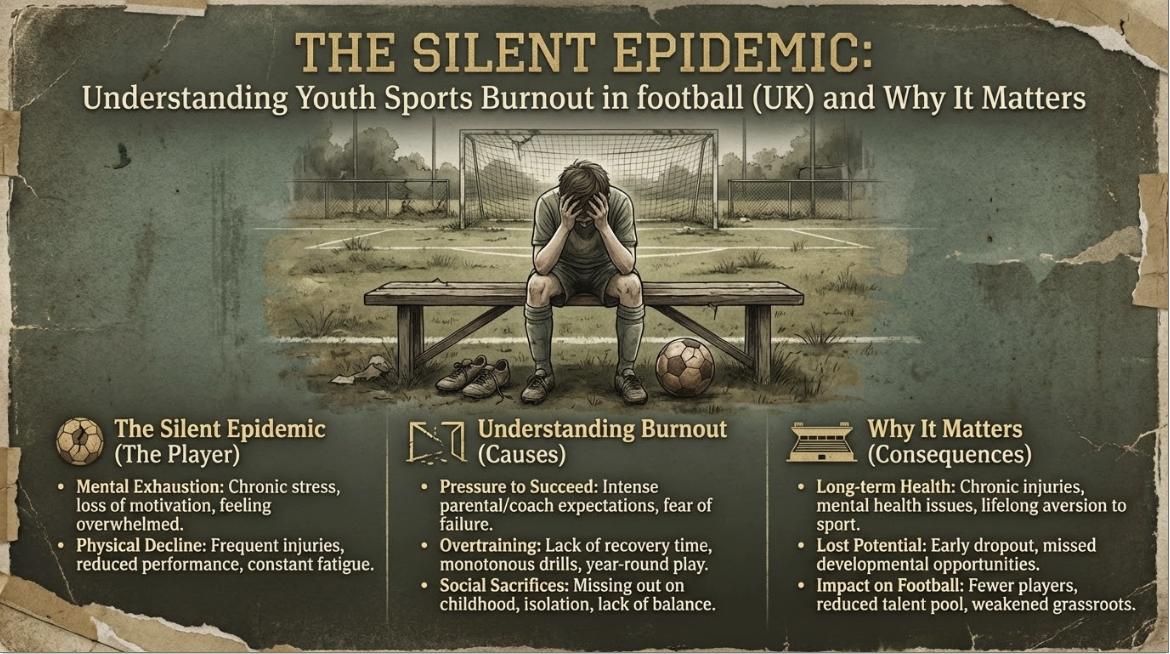
The Silent Epidemic: Understanding Youth Sports Burnout in Football and Why It Matters
Youth sports participation fosters discipline, teamwork, and physical fitness. However, the increased pressure to specialise early, participate year-round, and constantly perform can lead to a pervasive condition: youth sports burnout. This isn't just about feeling tired; it's a profound physical, emotional, and mental exhaustion that strips a child of their inherent joy.
For young football players, intense physical demands, competitive expectations, and high training volume create a perfect storm where football burnout can take root. Unlike simple fatigue, burnout is a deeper, more systemic issue signaling a fundamental disconnect. Recognising the signs of burnout in kids is paramount, as early intervention can prevent long-term physical injuries and mental health struggles.
Sign 1: The Fading Spark – When Passion Turns to Pressure and Your Child Actively Avoids Football Activities
One of the earliest and most telling indicators of football burnout is a dramatic and sustained shift in your child's attitude towards the sport. What was once a vibrant source of excitement can gradually transform into palpable dread or indifference. This isn't merely a fleeting bad mood; it's a consistent pattern of resistance and a profound loss of interest.
Parents might observe their child suddenly "forgetting" equipment, complaining of ailments specifically on practice days, or devising increasingly elaborate excuses to skip games or training. They might actively avoid football-related conversations or show little enthusiasm when discussing upcoming matches. This decreased enthusiasm isn't about losing a game; it's about losing the fundamental joy and intrinsic motivation of playing. It's a powerful sign that fun and camaraderie have been overshadowed by obligation, external pressure, or fear of failure, leading to a deep-seated football fatigue.
Actionable Step: Begin keeping a casual journal of your child's mood and behaviors surrounding football. Note instances of reluctance, complaints, or expressed disinterest. Open a dialogue with them, not about performance, but about how they feel about playing. Ask gentle, open-ended questions like, "What do you enjoy most about football right now?" or "Is there anything about practice that you find challenging or not fun?" Listening without judgment is key.

Sign 2: Physical Ailments and Emotional Distress – More Than Just Growing Pains or Game Day Jitters in Young footballers
Beyond observable behavioral changes, football burnout often manifests through a spectrum of physical symptoms and significant emotional distress. When a young body and mind are constantly pushed to their limits without adequate rest, the strain begins to show in concrete, often alarming ways. These signs are critical to differentiate from normal football-related aches or excitement, as they point to a deeper, more chronic issue.
Physically, a child suffering from burnout might experience persistent and chronic fatigue that doesn't resolve with a good night's sleep. They may wake up feeling tired, even on non-training days. This often goes hand-in-hand with an increase in minor, nagging injuries or recurrent injuries that seem to pop up frequently – muscle strains, joint pain, or persistent soreness. The body, constantly under stress, becomes more susceptible to injury, a tell-tale sign of overtraining syndrome intertwined with burnout. Sleep problems, such as difficulty falling or staying asleep, despite physical exhaustion, can also become prevalent.
Emotionally, the toll is equally significant. Parents might notice an increased anxiety surrounding games or practices, manifest as stomachaches, headaches, or nervous habits. What was once healthy competitive spirit can morph into intense fear of making mistakes. Mood swings, irritability, and uncharacteristic outbursts of frustration become more common. A previously cheerful child might become withdrawn, quiet, or easily upset, displaying signs of stress and emotional overload, hinting at underlying mental health challenges exacerbated by relentless pressure. This is a clear indicator of child football stress.
Actionable Step: Prioritise regular health check-ups with a pediatrician aware of sports-related issues. Pay close attention to persistent physical complaints. Furthermore, create a safe space for your child to express emotions without fear of judgment. Encourage them to talk about their feelings. Validate their emotions. Consider introducing relaxation techniques like deep breathing or guided meditation, especially before bed, to address sleep problems and increased anxiety.
Sign 3: Declining Performance and Social Withdrawal – The Unseen Toll on Your Child’s Game and Life Beyond Football
The insidious nature of football burnout means its effects aren't confined to emotions and physical well-being; they inevitably seep into a footballer’s performance on the field and their social interactions off it. This third sign provides a critical lens into how the underlying stress and exhaustion are impacting your child's capabilities and their connections with the world around them.
On the field, a child experiencing burnout may show a marked decline in performance. They might make uncharacteristic mistakes they previously wouldn't, exhibit a pervasive lack of focus during practices and games, or struggle with skills they once mastered effortlessly. This isn't due to a lack of effort but rather a depletion of mental and physical resources. Their reaction time might slow, decision-making becomes impaired, and their overall efficiency drops significantly.
Beyond the white lines, social withdrawal is a concerning symptom. A child suffering from youth sports burnout may start to distance themselves from teammates and friends, avoiding social gatherings or team events they once eagerly anticipated. The camaraderie that initially drew them to the sport begins to erode as the joy of shared experience is replaced by the burden of expectation. This social isolation can extend beyond the football circle, affecting friendships at school and family interactions.
Actionable Step: Objectively assess your child's recent game performance. Are these isolated incidents or a consistent trend? Consider speaking with their coach. Off the field, gently encourage participation in non-football related activities and social events. Prioritise family time that doesn't revolve around sports. Encourage them to pursue other hobbies or interests, even if just for short periods. If the social withdrawal is severe, consider seeking professional guidance from a child psychologist.
Preventing the Burnout Blight: Proactive Strategies for Parents and Coaches to Foster Long-Term Passion
Recognising the signs of football burnout is crucial, but preventing it from taking hold is even more empowering. Parents and coaches play pivotal roles in creating an environment where children can thrive in sports without succumbing to excessive pressure and exhaustion. Proactive strategies focus on balancing intensity with enjoyment, ensuring adequate rest, and promoting a holistic view of football development.
One primary strategy is to encourage diversification of sports rather than early specialisation. Playing multiple sports develops a broader range of motor skills, reduces the risk of overuse injuries, and keeps the football mentally fresher. This balanced approach ensures they aren't constantly engaged in intense competition in a single sport, fostering a more sustainable passion.
Coaches and parents must also re-emphasise the importance of fun, not just winning. While competition is inherent in sports, placing undue emphasis on victory can strip the joy from the game. Encourage intrinsic motivation by praising effort, sportsmanship, and personal improvement, rather than solely focusing on scores. This shift helps mitigate the pressure that often contributes to youth sports burnout, allowing children to enjoy the process.
Crucially, ensure adequate rest and recovery are built into the schedule. This means structured off-seasons, regular days off during the season, and sufficient sleep every night. Young bodies need time to heal, and young minds need time to decompress. Avoid back-to-back league play or multiple teams that lead to year-round, non-stop training. Educate children about the importance of nutrition and hydration as part of their recovery regimen.
Finally, parents should set realistic expectations for their child’s football journey. Not every child will become a professional footballer, and pushing them towards an unrealistic goal can be incredibly damaging. Celebrate their participation, their effort, and their enjoyment of the game. Communicate openly with coaches. A useful framework for parents is the "3 R's": Rest, ensuring sufficient time off; Rejuvenate, encouraging other hobbies and interests outside of sports; and Re-evaluate, regularly checking in with your child about their feelings. This proactive approach cultivates a love for physical activity that can last a lifetime.
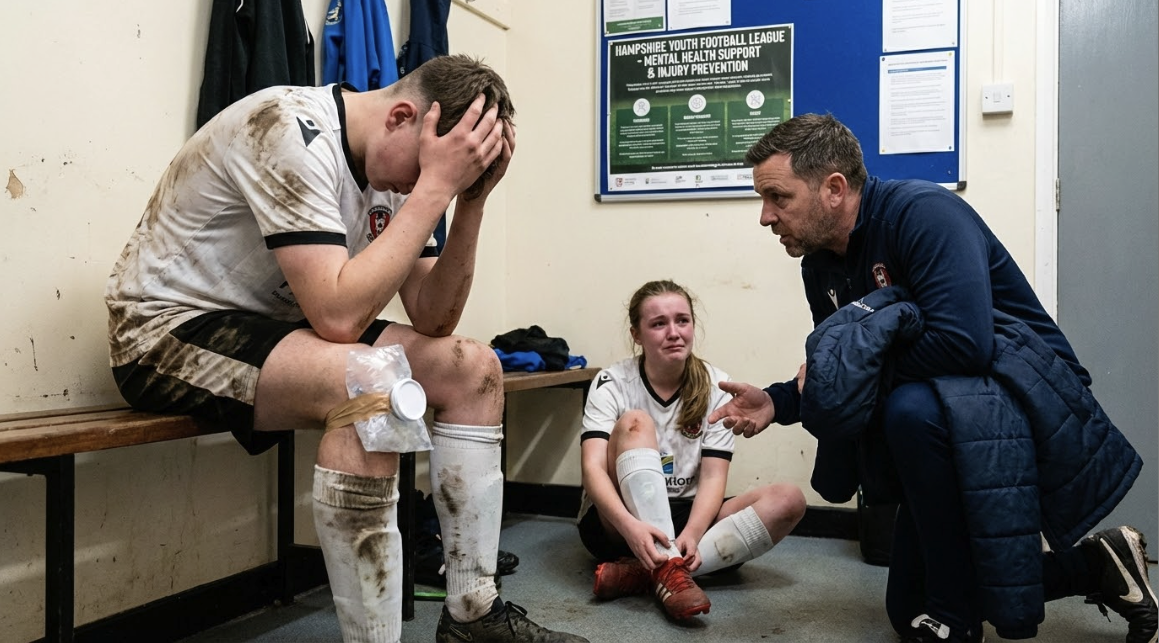
Reigniting the Flame: How to Help Your Child Recover from Football Burnout and Reconnect with Joy
If you've identified the signs of football burnout in your child, the immediate priority shifts from prevention to intervention and recovery. This journey requires patience, empathy, and a willingness to make significant adjustments to their sports involvement. The goal is not just to alleviate symptoms but to help your child regain their intrinsic motivation and joy.
The first and most critical step is to implement an immediate and significant break from football. This isn't just a week off; it might mean stepping away for a few months, or even for an entire season. This complete cessation of training and competition is vital for both physical and mental recovery. During this time, resist the urge to push them back into the sport. The break allows their body to heal and their mind space to decompress, crucial for recovering from burnout fully.
During the break, actively encourage exploration of other activities and interests that are entirely unrelated to football. This could be art, music, hiking, reading, or simply unstructured play. The aim is to remind them of the joy of activity without performance expectations. Focus on quality family time, social interactions with non-football friends, and academic pursuits. This helps them understand that their identity is not solely tied to being a football player, aiding in regaining joy.
Open and honest communication remains paramount. Continuously check in with your child about how they are feeling, what they are enjoying, and any lingering anxieties they might have. Avoid bringing up football unless they initiate the conversation. When they do, listen without judgment and validate their feelings. If, after a substantial break, they express a desire to return, approach it cautiously. Discuss what a return would look like – perhaps a less intense league or a modified training schedule. The focus should always be on their enjoyment and well-being.
In cases of severe emotional distress, persistent anxiety, or if the burnout has significantly impacted their academic or social life, do not hesitate to seek professional help. A sports psychologist, child therapist, or counselor specialising in mental health support for young footballers can provide invaluable guidance. They can help your child process overwhelming emotions, develop coping mechanisms for stress, and rebuild self-esteem. Remember, your child's mental and emotional health is always more important than any game or trophy.
Frequently Asked Questions About Child Football Burnout
How long does football burnout typically last in children, and when can they return to play?
The duration of football burnout varies greatly, depending on the severity and how quickly it's recognised and addressed. A minimum break of several weeks to a few months is often recommended for full physical and psychological recovery. The decision to return to play should be entirely driven by the child's expressed desire, renewed enthusiasm, and the absence of burnout symptoms, not by external pressure or a set schedule. Some children may choose not to return to the sport at all, and that decision must be respected.
What is the difference between simple fatigue and sports burnout in young footballers?
Simple fatigue is temporary tiredness that resolves with adequate rest and a good night's sleep. It's a normal response to physical exertion. Sports burnout, on the other hand, is a chronic state of physical, emotional, and mental exhaustion. It doesn't dissipate with typical rest and is accompanied by a profound loss of interest, decreased performance, and often negative feelings towards the sport, impacting overall well-being. Burnout signifies a deeper psychological and physiological imbalance.
Can football burnout affect a child’s academic performance or social life?
Absolutely. Football burnout can significantly impact a child's academic performance and social life. The chronic stress, fatigue, and lack of focus often lead to difficulties concentrating in school, decreased motivation for homework, and lower grades. Emotionally, the irritability and social withdrawal associated with burnout can strain friendships, lead to isolation from teammates, and affect family dynamics. A child's overall well-being is interconnected, and distress in one area often spills into others.
Are certain types of children more prone to experiencing football burnout?
Yes, several factors can increase a child's susceptibility to youth sports burnout. Children who are perfectionists, highly self-critical, or those who derive a significant portion of their self-worth from football performance are often more vulnerable. Additionally, children who specialise in a single sport at a young age, those with demanding coaches or parents who exert excessive pressure, and those with limited social outlets outside of sports are at a higher risk of developing child football stress that can lead to burnout.
As a parent, what is the single most important thing I can do to prevent football burnout?
The single most important thing a parent can do is to prioritise their child's overall well-being and joy over football performance or competitive outcomes. This means fostering an environment of unconditional support, encouraging diverse interests, ensuring adequate rest, and maintaining open, non-judgmental communication about their feelings towards the sport. Always put your child's physical and mental health first, recognising that their long-term love for activity is more valuable than any short-term win.
Final Thoughts: Nurturing Your Child's Well-being On and Off the Field, Beyond Football
Recognising the signs your child is suffering from football burnout is an act of profound parental love and crucial awareness. The world of youth sports, while offering immense benefits, can also inadvertently create intense pressure that can extinguish a child's passion. From the fading spark of interest to the silent cries of physical ailments and emotional distress, each sign is a call for understanding and intervention. Prioritise their joy, encourage balance, advocate for rest, and be prepared to step back or seek professional help when needed. Your child's sustained well-being and happiness are the ultimate victory, fostering a lifelong healthy relationship with physical activity.
Thanks for reading :)
If you liked this blog, then you might also like:
A Hero's Welcome: Go Football Academy Recognised by the EFL & Sage!
The Ultimate Shield: How S&C Is Your Best Injury-Proofing Strategy
The "Too Bulky" Myth: Why Strength Training Makes You FASTER, Not Slower
The Power of Micro-Goals: How Small Steps Lead to Massive Results
Protein Power: The Engine Fuel That Builds and Repairs Your Game