


What should you do when a football academy releases your child at 14?
The short answer. Give your child a quiet week, then ask the club for clear feedback. Find a team where they will play every week, and work on one or two gaps. A release at 14 is a setback, not a final verdict.
The meeting takes ten minutes, and the drive home feels like two hours. The academy has released your child, and nobody in the car knows what to say.
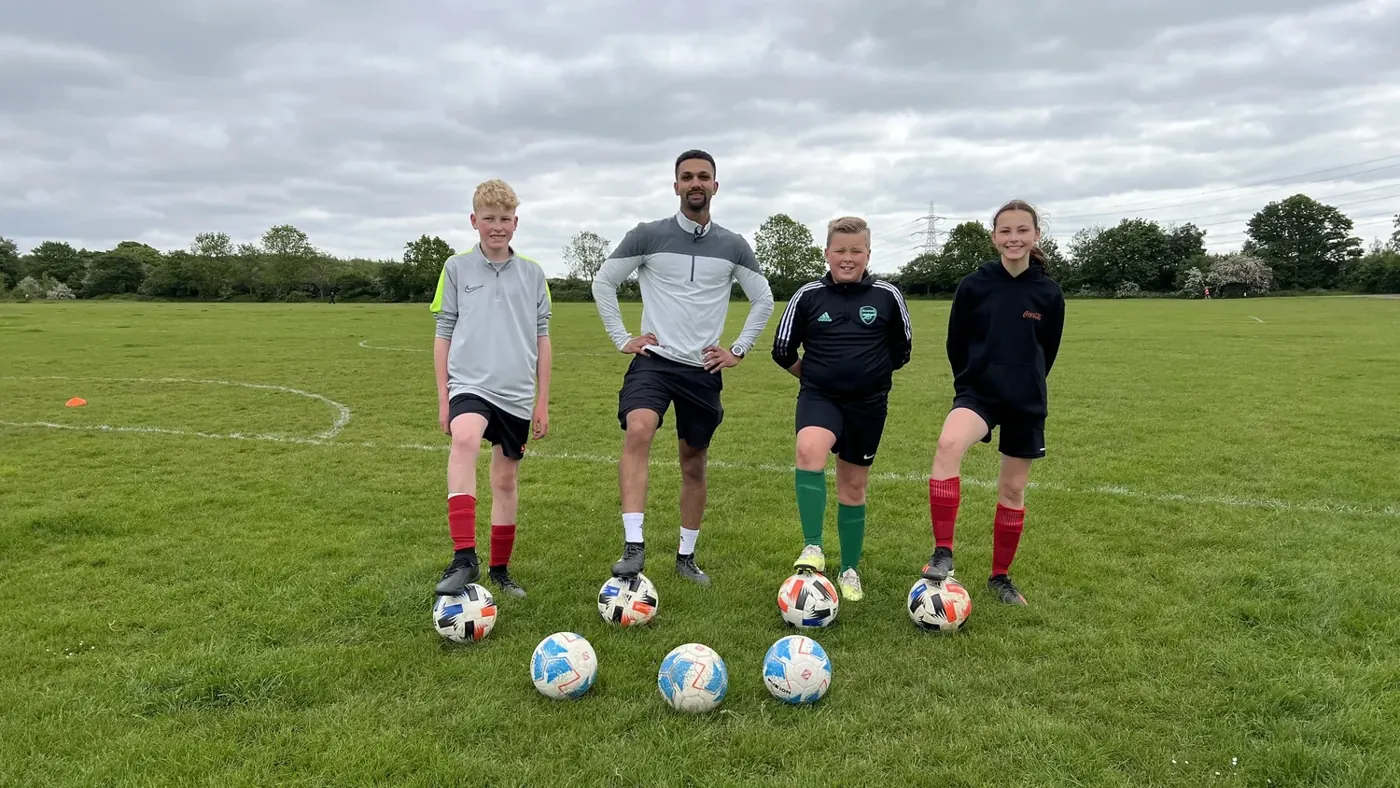
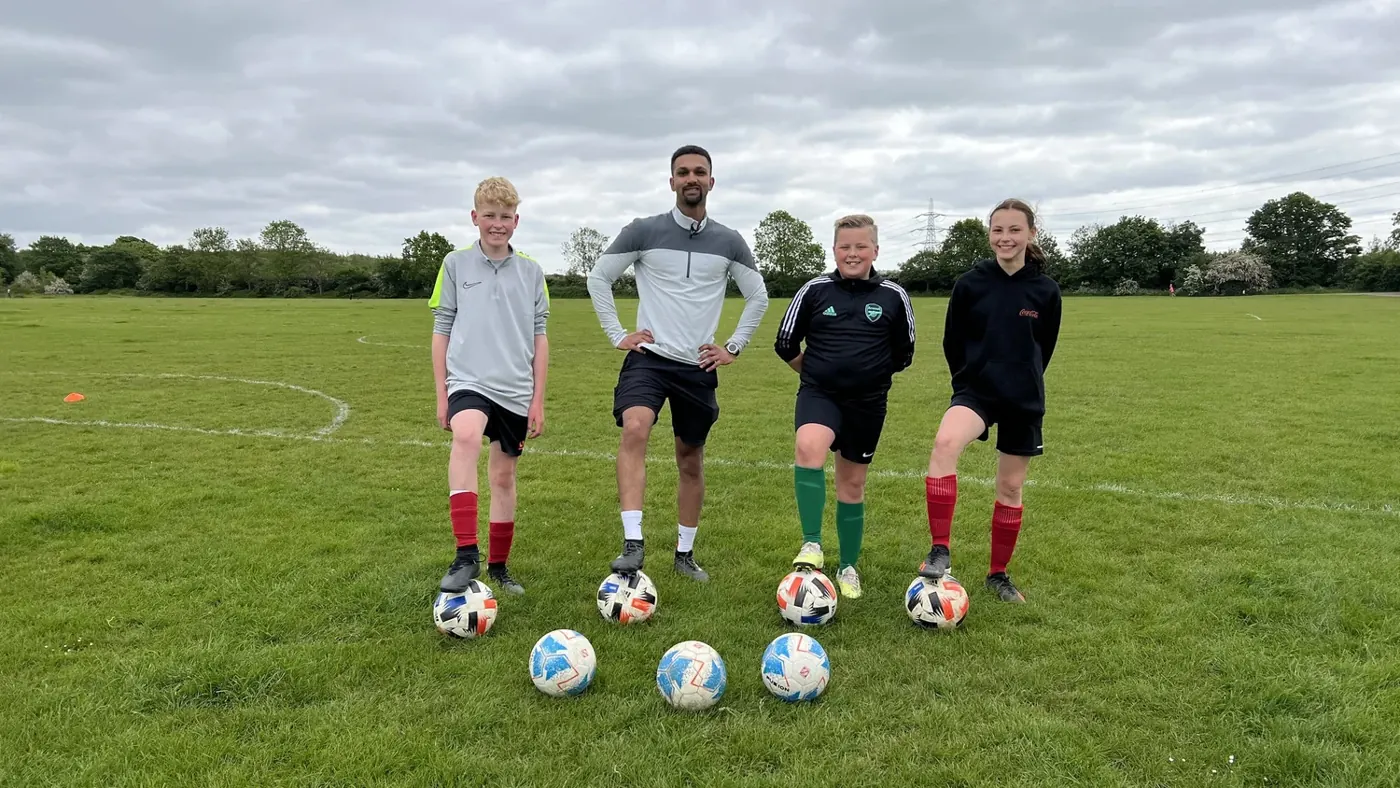
I work with young players across Leighton Buzzard and Milton Keynes, and release is part of that world. It hurts, but it is far more common than most families think. It is not the end of the road.
This is the plan I would give any parent. It covers the first week, the questions to ask the club, and where your child plays next.
Why do academies release players at 14?
Academies release players at 14 because squads shrink at this age. Clubs choose who to carry into the older age groups, and places get harder to keep. Bodies also change at different speeds, so a late developer can look behind for a few years.
Academies review their squads at set points, and the early teens are one of them.
It is also the age when bodies change at different speeds. One player has grown six inches in a year while another has not started yet. A late developer can look a yard slower and a stone lighter than everyone else.
That gap often closes by 16 or 17, but the club makes its decision now. So a release at 14 tells you where your child stood on one day, in one squad. It does not tell you where they will be at 18.
What should you say in the first week?
Say less and listen more. Tell them you are proud, let them be upset, and leave the plans for a few days.
Your child will replay that meeting for days. What you say in the first week matters more than any training plan.
Keep it simple:
- Tell them you are proud of them, and mean it.
- Let them be upset. Do not rush to fix it.
- Leave the "what next" talk for a few days.
- Keep the routine going: school, meals, sleep, friends.
- Avoid blaming the coach, the club or the system in front of them.
Some children want a ball at their feet the next morning. Others cannot face one for a fortnight. Both are normal.
Watch for the child who goes quiet and stays quiet. If the low mood lasts for weeks, our guide to football burnout covers the signs to look for.
What should you ask the club?
Ask for the main reasons behind the decision and what your child would need to improve. Ask too whether the club will recommend them elsewhere.
Before you leave the academy behind, ask for a proper conversation. Most clubs will give one if you ask. Go in calm, and take notes.
These are the questions worth asking:
- What were the two or three main reasons for the decision?
- Which parts of their game are strongest?
- What would they need to improve to play at this level again?
- Was physical development a factor?
- Will you recommend them to other clubs, or share footage?
- Are there exit trials, and can you put their name forward?
Write the answers down word for word. You are not there to change the decision, you are there to collect a to-do list.
Vague feedback such as "not quite at the level" helps nobody. Ask what it means on the pitch.
Where can your child play after a release?
Your child can trial at another academy, join a strong grassroots team, or play school and district football.
There is more than one route, and none of them is a step down forever.
Another academy or development centre
Other clubs keep an eye on players who leave academies, and some hold trials for them. If your child wants to go again, prepare for it with care. Our post on how to prepare for a football trial covers fitness, skills and the mental side.
A strong grassroots team
For many players this is the best move, because they play every week in their best position. Confidence comes back fast when a child is one of the main players again. Scouts watch good grassroots football too.
School and district football
School teams and district squads add games and a different kind of pressure. They also keep football tied to friends, which matters a great deal at 14.
A mix often works best. One team, one extra session a week, and time left over to be a teenager.
Rebuild the game, one gap at a time
Take the feedback from the club and choose one or two things to work on, not six. A player who tries to fix everything fixes nothing.
This is where 1-2-1 coaching earns its place. A full session on one weakness does more than a month of hoping it comes up in team training. If the feedback was about first touch under pressure, or using both feet, that becomes the session.
Small targets help, because "be a better player" is too big to act on. "Take my first touch away from pressure nine times in ten" is something a child can train and count. I wrote more about that in the power of micro-goals.
Measure it as well. When a player can see their own numbers improve, belief returns much faster. That is the idea behind Track Your Game, the boot sensors we use in 1-2-1 sessions.
It also helps to know what clubs look for. I covered that in what football scouts really look for, and very little of it is about size.
How do you rebuild your child's confidence?
Keep football fun, praise effort over results, and keep other interests alive. Enjoyment has to come back before form does.
Release can knock a young player's sense of who they are. For years they have been "the one at the academy", and then, in ten minutes, they are not.
Some things help:
- Keep football fun for a while. Kickabouts count.
- Praise effort and habits, not only results.
- Remind them of what they do well, using the club's own words.
- Keep other interests alive, so football is not the only measure of a good week.
Some children bounce back within a month, while others carry the disappointment for a whole season. If your child has lost confidence or freezes in matches, mindset coaching gives them tools to handle it.
What not to do
A few mistakes come up again and again:
- Booking five trials in the first fortnight. A tired, hurt player rarely trials well.
- Doubling the training load to "prove them wrong". That is how injuries and burnout start.
- Talking about the release in every car journey.
- Comparing them with a team-mate who was kept on.
- Deciding for them that the dream is over, or that it is not.
Let your child lead on how much football they want. Your job is to keep the door open.
A simple 90-day plan
Weeks 1 and 2. Rest, recover and have the feedback meeting. Play for fun only.
Weeks 3 to 6. Join a team where they will play every week. Choose one or two skills to work on, and start one focused session a week.
Weeks 7 to 12. Review progress against the feedback. If they want another trial, plan for it now, and if they are happy where they are, leave it there.
Then ask one question: are they enjoying football again? If the answer is yes, the plan is working.
Frequently asked questions
Can a player get back into an academy after a release?
Yes. Players move in and out of academies throughout their teens. Clubs keep looking, and late developers often catch up at 16 or 17.
Should we go straight to trials at other clubs?
Usually not in the first two weeks. Let the disappointment settle and get the feedback first, then trial with a clear idea of what to show.
Is grassroots football a step backwards?
No. Regular minutes in the right position often develop a player faster than sitting on an academy bench. It also brings the enjoyment back.
How much extra training should my child do after a release?
Less than you think, because rest is part of training at this age. One focused session a week on a clear weakness beats four unplanned ones.
Should I appeal the decision?
I would not. Use the meeting to get clear feedback, because that helps your child more than an argument.
The next step
If the academy has let your child go and you are unsure where to start, come and train with us. Group coaching runs in Leighton Buzzard and Milton Keynes. The first session is a free trial in Leighton Buzzard.
Release closes one door at one club. What your child does in the next 90 days matters far more than the meeting itself.