The 6 Key Areas for GKs in Football: Mastering the Modern Game
Has the role of a goalkeeper truly been underestimated for too long? In a sport often dominated by goalscorers, the figure between the posts is now one of the most dynamic and critical positions on the pitch. No longer just a shot-stopper, the modern goalkeeper acts as the last line of defence, first point of attack, and tactical orchestrator.
I know this having been a Lead Goalkeeper coach for the last 4 years.
Mastering this complex role demands a multifaceted skill set and continuous goalkeeper training. This guide explores six fundamental areas every keeper must master to excel in modern football.
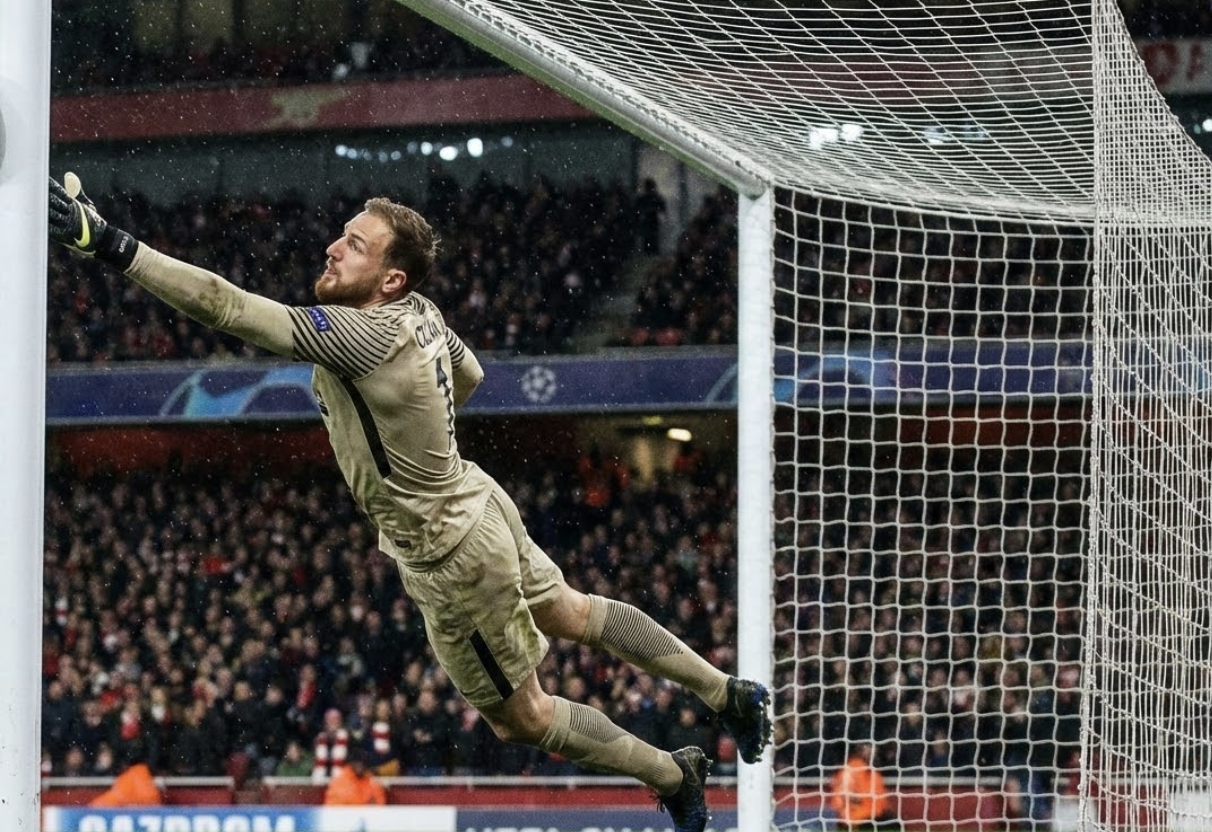
Shot-Stopping: The Traditional Foundation of Goalkeeping Excellence
Shot-stopping remains the bedrock of goalkeeping, demanding physical prowess, mental fortitude, and precise technique. This core ability is crucial for turning unstoppable shots into vital saves, keeping your team in the game.
Agility and Reflexes: Sharpening Your Instincts
Exceptional agility and reflexes are vital, demanding instantaneous full-body reactions to game speed. Training builds explosive power and rapid decision-making via ladder drills and reaction saves. This helps keepers cover more goal, reacting effectively to deflections.
Handling and Catching: Securing the Ball with Confidence
Securing the ball after a save is critical to prevent rebounds. Keepers must master various handling and catching techniques—like the 'W' or scooping low balls—to absorb shot power securely. Practice builds soft hands and strong wrists for effortless collection.
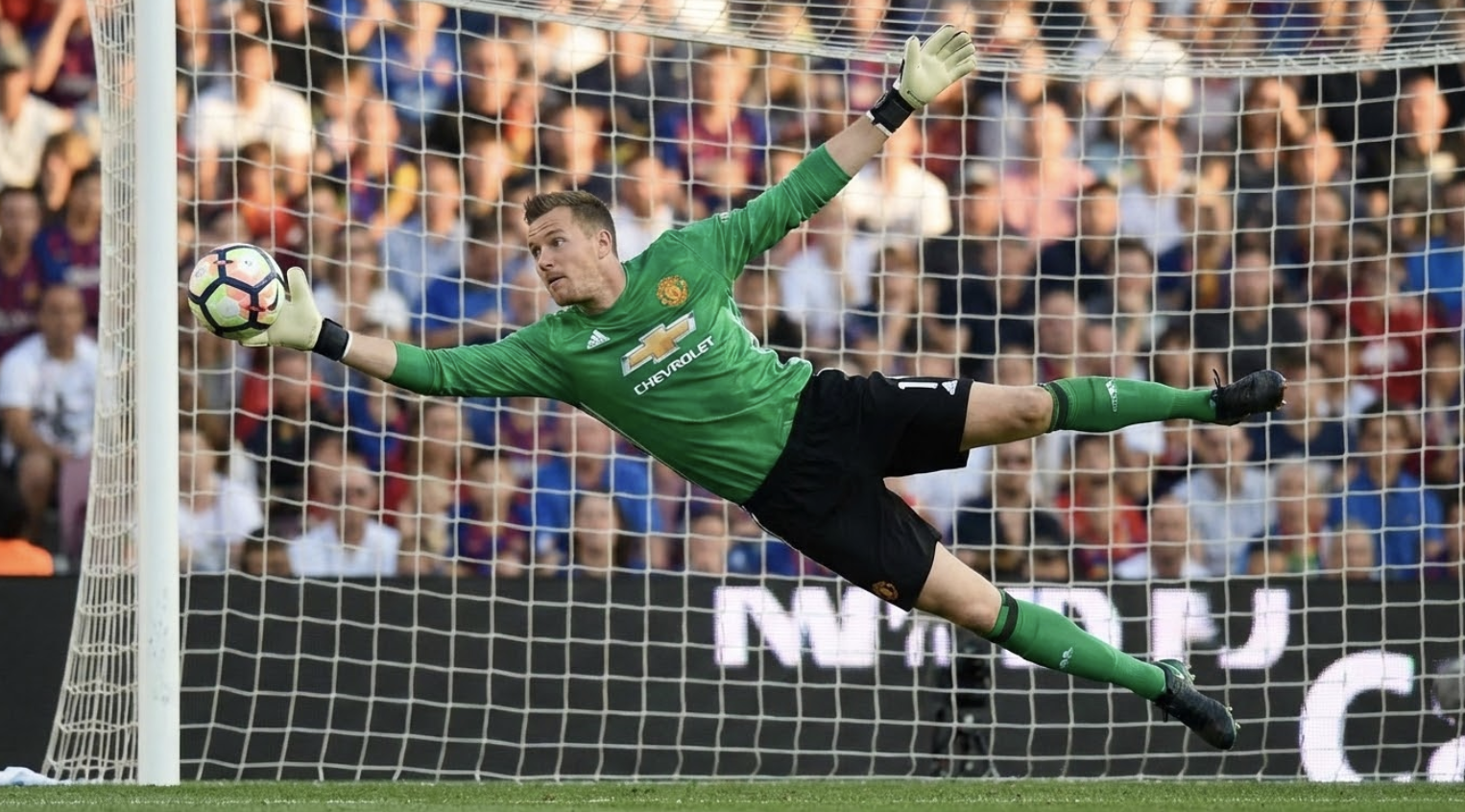
Diving and Spreading: Mastering the Art of Goal Protection
Proper diving and spreading are essential for full-extension saves. This involves pushing off correctly, extending fully, and presenting a large surface area. The "spread save" is effective in one-on-one situations, dramatically reducing the attacker's target with courage.
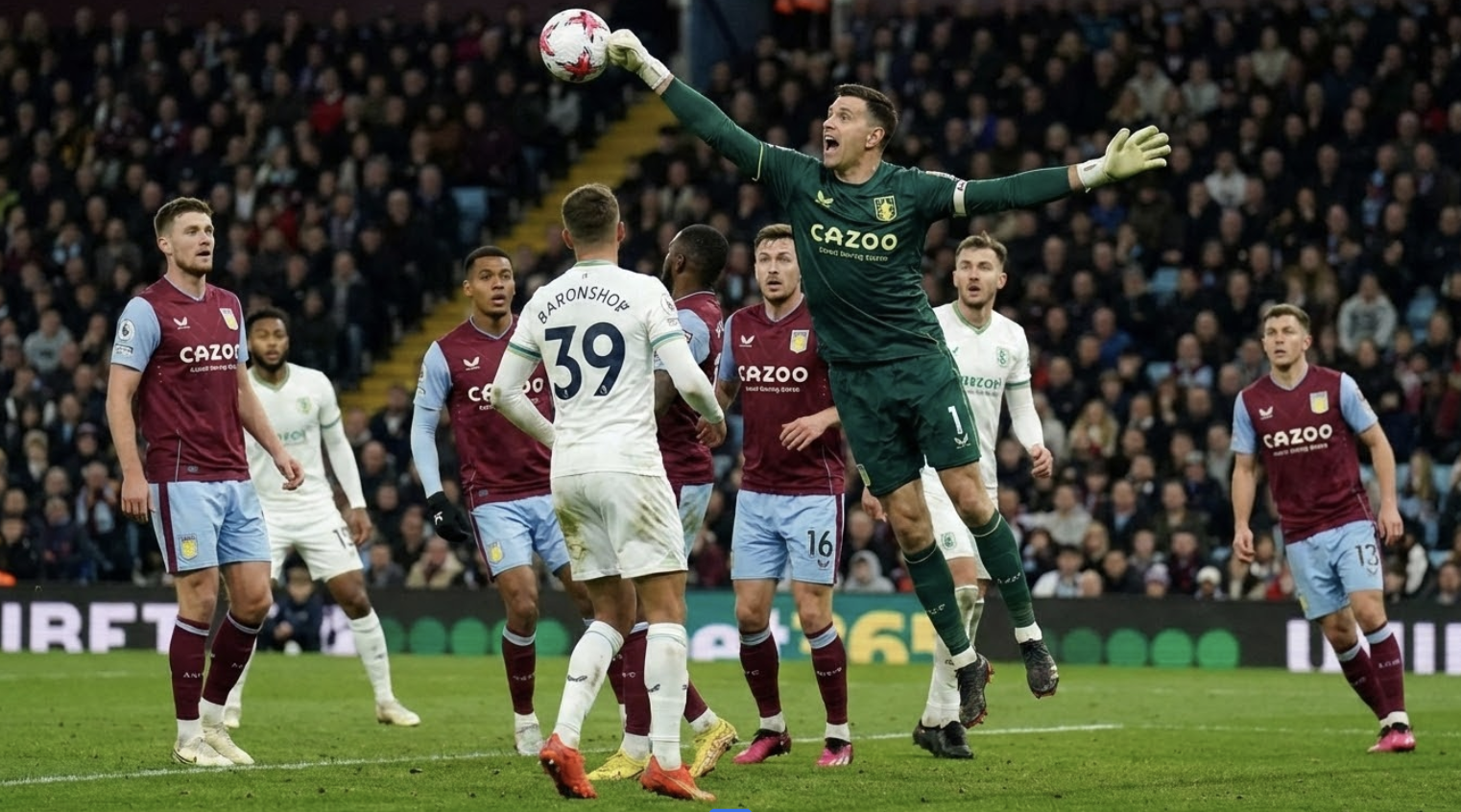
Commanding the Area: Owning the 18-Yard Box with Authority
The penalty area is a goalkeeper's domain, requiring assertive presence and decisive intervention. Commanding the area demands mental strength and strategic understanding to neutralise threats proactively.
Aerial Dominance: Rising Above the Challenge
Aerial dominance is physically demanding, requiring impeccable timing and bravery for crosses. Keepers must judge ball flight, navigate crowded boxes, and make clean catches or punches. Authoritative calls signal control, preventing dangerous knock-downs.
Decision-Making: The Split-Second Call
Every ball into the box demands split-second decision-making: rush, stay, catch, or punch. Keepers must quickly assess trajectory and player positions. Misjudged runs or hesitation lead to open goals, requiring experience and game intelligence.
Physicality and Bravery: Embracing the Clash
Commanding the area involves physical contact, necessitating immense physicality and bravery. Keepers must put their body on the line, absorb contact, and maintain focus. This controlled aggression, like a "sweeper-keeper," allows the defensive line to play higher.
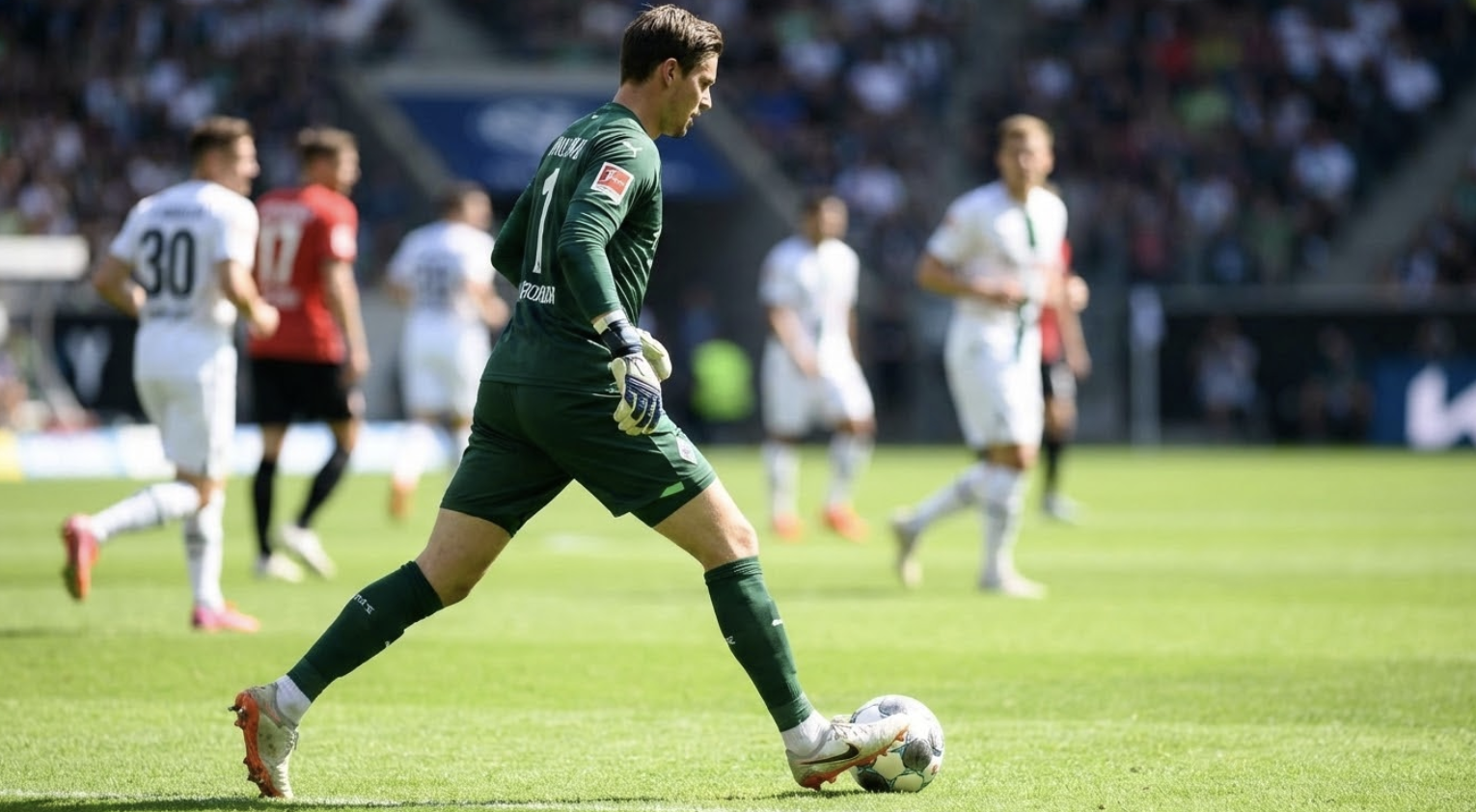
Distribution and Footwork: The Goalkeeper as the First Attacker
The modern game demands goalkeepers be proficient with their feet, evolving them into integral playmakers. Accurate, intelligent distribution is essential for building attacks from the back and controlling possession.
Passing Range and Accuracy: Initiating the Attack
A strong passing range and accuracy are massive assets, enabling short, precise passes under pressure, or long driven balls to bypass midfield. Practicing both feet and varying pass weight ensures keepers consistently find teammates in space, building momentum.
Ball Control and Dribbling: Composed Under Pressure
Excellent ball control and dribbling skills are crucial for receiving passes under pressure. Keepers must comfortably take a touch, shift the ball, and draw in opponents to create passing options. This composure allows teams to play out from the back.
Tactical Awareness: The Strategic Passer
Profound tactical awareness in distribution is vital, understanding team plans and exploiting weaknesses. A quick release after a save can spark counter-attacks. Elite distributors exemplify choosing precise passes to bypass lines, instantly transitioning defense into attack.
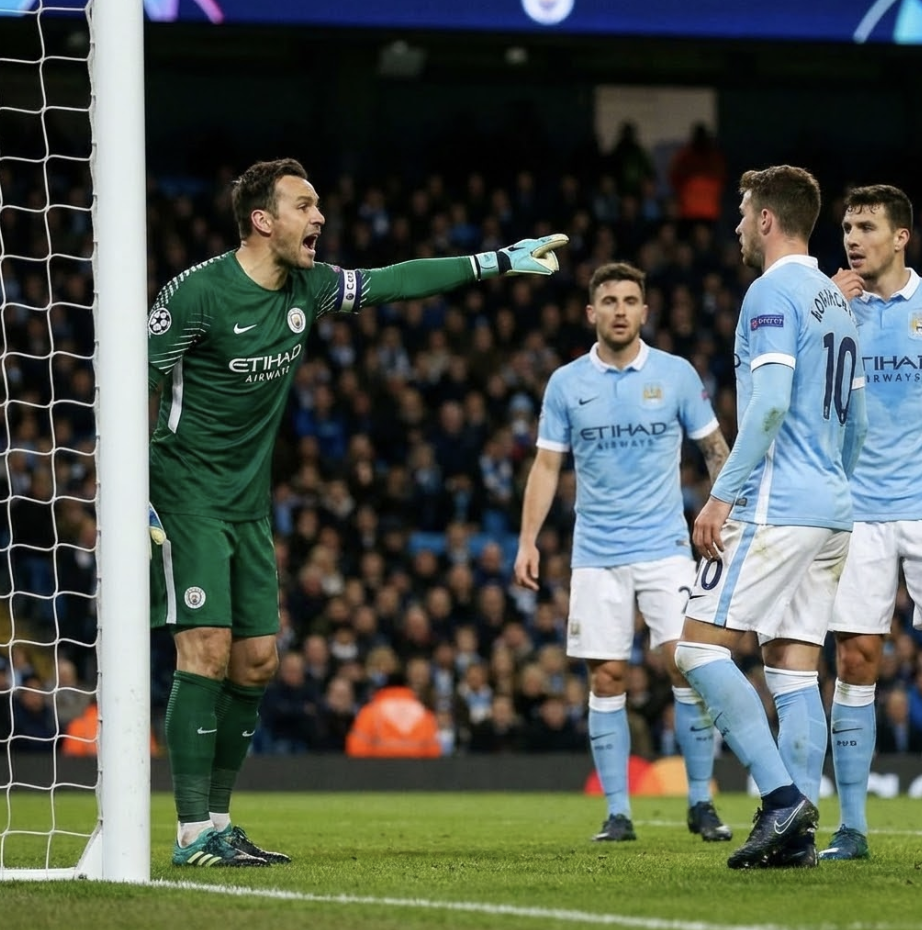
Communication and Leadership: The Voice of the Defense
Positioned to see the entire field, the goalkeeper is the natural leader and communication hub of the defense. Effective goalkeeper communication provides clear, concise, and timely instructions to organise the backline.
Organising the Backline: The Defensive Architect
A goalkeeper's primary leadership role is organising the backline, positioning defenders, and setting walls. As the eyes behind the defense, they see runs defenders miss. Clear calls like "step up!" ensure a cohesive shape, preventing attackers from finding space.
Constant Encouragement: Boosting Morale and Focus
Beyond tactical instructions, constant encouragement and motivation are vital. A positive voice lifts spirits after errors and maintains focus under pressure. Simple phrases impact team morale, fostering a resilient defensive unit engaged until the final whistle.
Clear and Concise Calls: Precision in Pressure Moments
In high-pressure moments, instructions require clear and concise calls, leaving no room for ambiguity. Whether "man on!" or "keeper's!", the message must be understood instantly. A vocal keeper creates a proactive, organised defense, anticipating threats.
One-on-One Situations: The Ultimate Test of Nerves and Skill
One-on-one situations are electrifying duels, often determining a match's outcome. They are the ultimate test of a goalkeeper's courage, technique, and mental fortitude under intense pressure. Success turns opportunities into heroic saves.
Closing Down Angles: Shrinking the Target
The first principle in a one-on-one is to effectively close down angles. Rushing out reduces space and time for the shooter, making the goal appear smaller by positioning oneself directly in line with the ball. This requires rapid acceleration and precise judgment.
Spreading and Patience: The Waiting Game
After narrowing the angle, spreading and patience are crucial. Top goalkeepers stay on their feet, spreading wide to cover maximum goal, waiting for the attacker to commit. This "waiting game" demands incredible discipline and composure.
Reading Body Language: Anticipating the Attacker's Move
The ability to read body language is a powerful weapon in one-on-one situations. Experienced keepers pick up cues from attackers—foot preference, gaze, hip shifts—to anticipate shot direction or type. This intuitive understanding allows anticipation over mere reaction.
Positioning and Game Reading: The Mind of a Goalkeeper
Beyond spectacular saves, a goalkeeper’s effectiveness stems from proactive positioning and game reading. These intellectual pillars demand tactical understanding, anticipation, and spatial awareness. A well-positioned keeper makes difficult saves seem routine.
Angle Play: Staying on the Line of the Ball
Angle play means constantly positioning on the imaginary line between the ball and goal centre, maximising coverage relative to the shooter. Keepers shuffle feet, adjusting to maintain this optimal angle. Proper angle play reduces visible goal area.
Anticipation: Predicting the Next Move
Anticipation is predicting game developments by watching play unfold and analysing opponent patterns. Goalkeepers excelling at this move into position before the ball is struck, gaining crucial milliseconds. This is processing information quickly to make educated predictions.
Understanding Formations: How Opponents Attack
A deep understanding of formations and tactical approaches is vital. Knowing how opponents build attacks and their common passing patterns allows keepers to anticipate danger areas like early crosses. This expert game reading analyses the "chess match."
Frequently Asked Questions About Goalkeeping
Here are some common questions aspiring goalkeepers and football enthusiasts often ask:
1. How important is height for a goalkeeper in modern football?
While height can aid aerial balls, it's not the sole success factor. Excellent positioning, agility, spring, and courage are often more critical. Many top goalkeepers compensate for height with superior technique and decision-making.
2. What kind of fitness training should goalkeepers prioritise?
Goalkeepers need unique fitness: agility for quick movements, explosive power for diving and jumping, and core strength for stability and powerful distribution. Reaction speed training and maintaining focus for 90 minutes are also essential.
3. Can a goalkeeper be a team captain?
Absolutely! Many successful teams feature goalkeepers as captains. Their unique field vantage point makes them ideal for organising defense and communicating effectively, demonstrating natural leadership qualities.
Final Thoughts: The Unsung Heroes of the Beautiful Game
The modern goalkeeper's role is multifaceted, extending beyond just shot-stopping. Mastering commanding the area, expert distribution and footwork, powerful communication and leadership, bravery in one-on-one situations, and intelligent positioning and game reading are vital. These six interconnected pillars form the bedrock of an elite keeper's impact. Aspiring guardians must embrace this holistic approach and dedicate themselves to relentless practice. The game awaits its next indispensable force.
Thanks for reading, if you liked this blog, you may also like:
3 Things Football Coaches/Scouts Look for in CMs
A Parent’s Guide to Buying Football Boots for UK Pitches
Designing a Football Practice in 60 Seconds: Master Efficiency on the Pitch
How to Defend 1v1 in Football (in Wide Areas)
Mastering the Game: 3 Essential Practices for Elevating Your Football Scanning IQ