


What should your child do the night before a football trial?
The short answer. Pack the bag early, eat a normal dinner, keep any football light and get to bed on time. Nothing tonight will add a new skill. The aim is a child who wakes up rested, fed and calm.
The trial is tomorrow. The boots sit by the front door, and your child has asked the same question three times since tea.
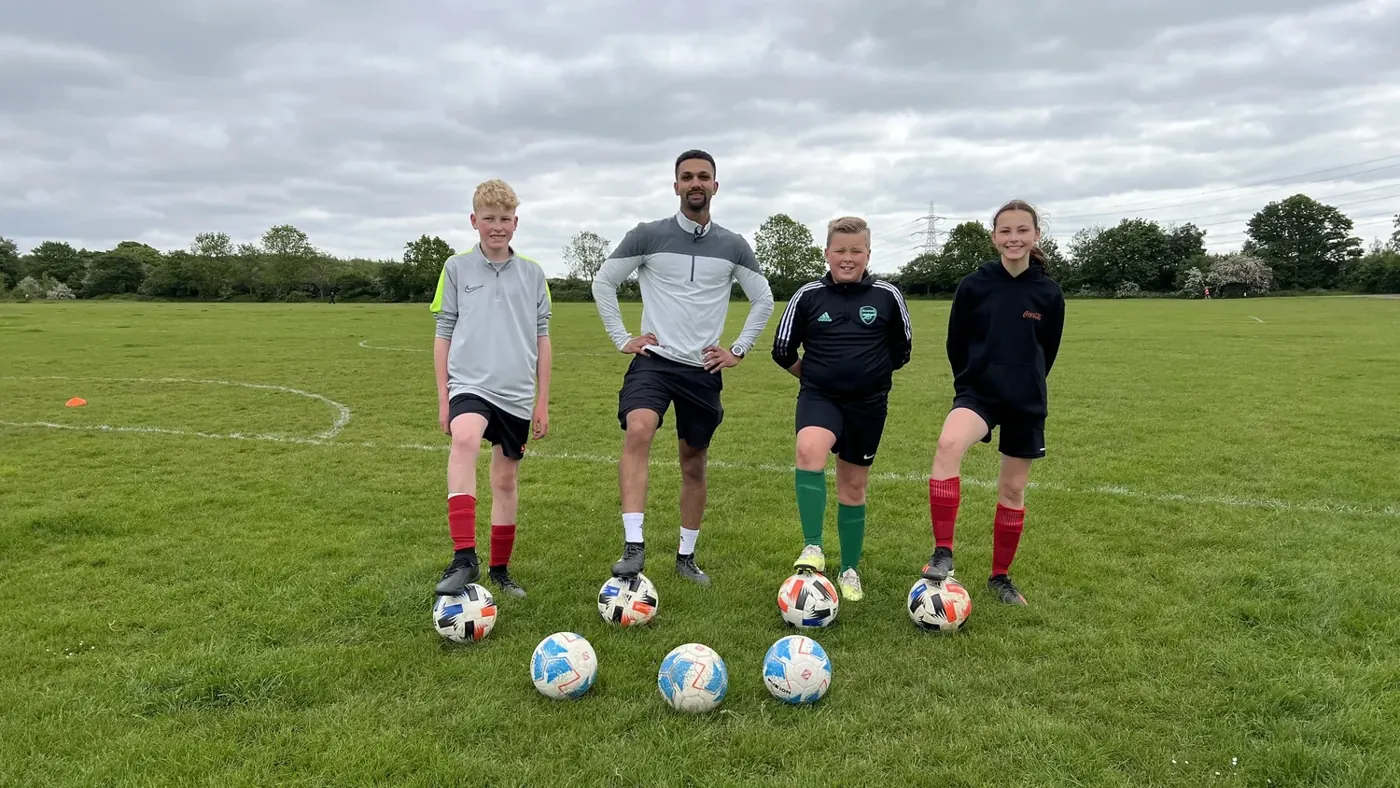
I coach young players across Leighton Buzzard and Milton Keynes, and I see a lot of trial weeks. The night before will not make your child a better footballer. It can make tomorrow feel calm, or it can make it feel like a scramble.
This is the evening I would plan for any player aged 10 to 18. It covers the bag, the meal, the nerves, the phone and the part you play.
Can your child improve the night before a trial?
No. Touch, fitness and reading of the game come from months of practice. One evening cannot change that, so use tonight to rest.
If the trial is still a week or more away, start with how to prepare for a football trial. This post picks up where that one stops.
What should go in the trial bag?
Boots, shin pads, two pairs of socks, a warm layer, water and a snack. Pack it before dinner, so nobody hunts for kit in the morning.
Most trial morning panic comes from kit. A missing sock at seven in the morning feels like a disaster to a nervous child. Sort it early.
Ask your child to pack the bag, then check it together:
- Boots, cleaned and with the laces checked.
- Shin pads and two pairs of socks.
- Shorts and a plain training top, unless the club has asked for something else.
- A warm layer and a waterproof.
- A full water bottle.
- A small snack for afterwards.
- Any forms or details the club asked you to bring.
Check the surface too. A grass pitch and an artificial one need different boots, and the club's message will usually say which. My guide to buying football boots explains the difference.
Do not hand over brand new boots the night before. Stiff boots rub, and a trial is the wrong day to find that out.
Keep any football short and light
Some players want to train hard the evening before, to feel ready. I understand it, but heavy legs tomorrow help nobody. A hard session tonight takes more than it gives.
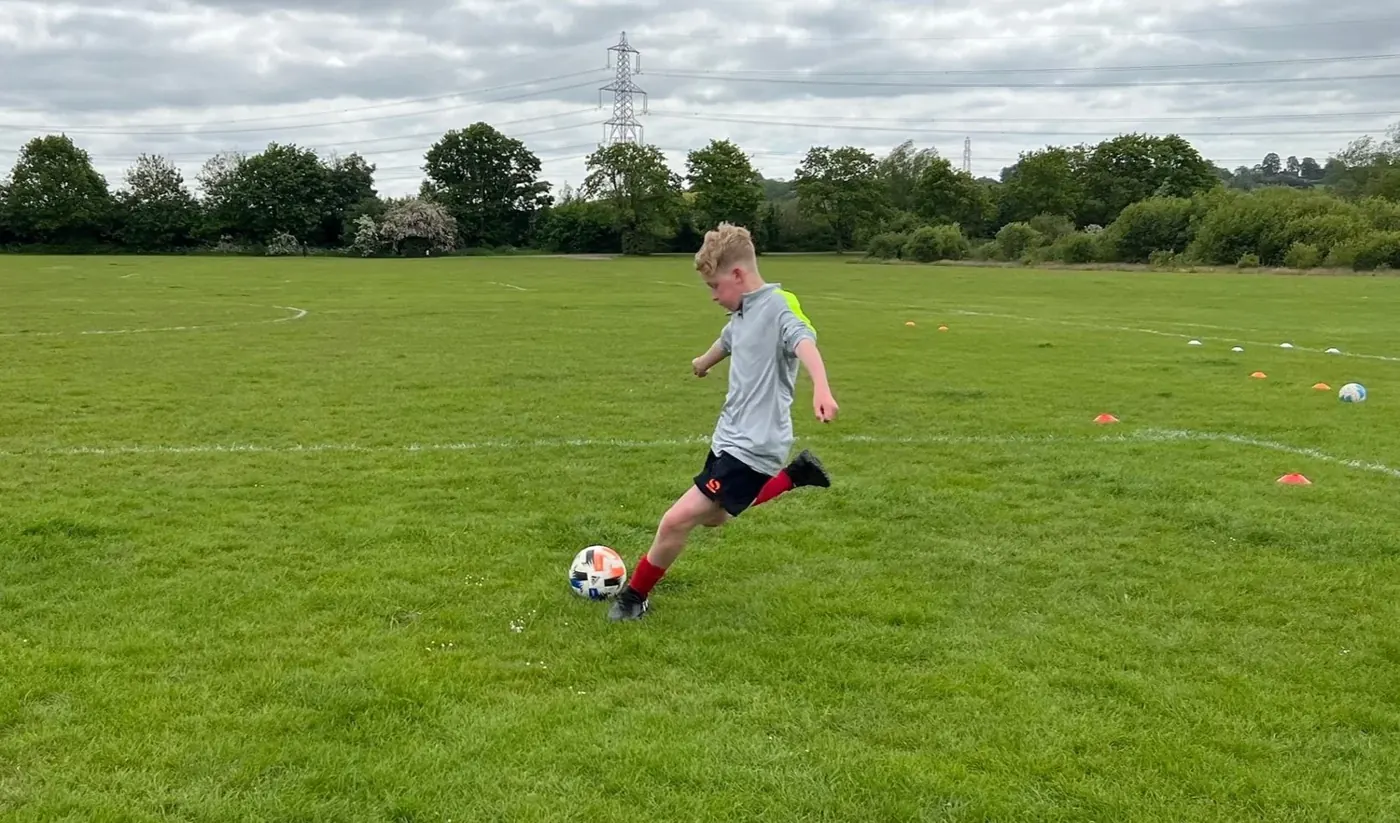
If your child wants a ball at their feet, fifteen to twenty easy minutes is plenty:
- Some gentle touches on both feet.
- A few passes against a wall.
- Light stretching, nothing forced.
Then stop. The point is to feel the ball and go to bed feeling sharp, not sore.
One warning. If your child has a pain or a niggle that worries you, do not let them push through it tonight. See a GP or a physio, and tell the club if they cannot take part.
A normal dinner and plenty of water
Trial eve is not the night for a food experiment. Serve a meal your child knows and likes, at the usual time. Familiar food sits better when a stomach is full of nerves.
A plate with some pasta, rice or potato, some protein and some vegetables suits most young players. Keep the portion normal. I would skip the very greasy takeaway and the giant dessert, because a heavy stomach can spoil sleep.
Water matters as much as food. Have them drink through the evening in small amounts, not a pint at bedtime. I go into more detail in what to eat before and after football training and matches.
If your child has allergies or a health condition, follow the advice you already have from your GP.
What time should they go to bed?
Aim for their normal bedtime, or a little earlier if they will go. Sleep is the best thing your child can give themselves tonight. Sending a teenager to bed two hours early rarely works, and they lie awake thinking about the trial.
A simple wind-down helps:
- Phone out of the bedroom, charging somewhere else.
- No highlight reels of top players at eleven at night.
- A shower, a book or some quiet music.
- Alarm set by you, with time to spare.
Group chats deserve a mention. Friends mean well, but twenty messages about who else is trialling will wind most children up. Agree a time when the phone goes away.
If they cannot sleep, tell them not to panic about it. Lying still and resting has value, and one short night will not ruin a trial. I share more ideas in my three tips for better sleep.
How do you calm trial nerves?
Keep it short. Ask what they want to show, what they will do after a mistake, and what they can control.
Nerves the night before are normal. They mean your child cares. You do not need to remove them, only stop them growing.
Skip the long motivational talk, because most children hear it as more pressure. A short chat works better. I would keep it to these three questions.
- What are you good at that you want to show tomorrow?
- What will you do after a mistake?
- What is one thing you can control, whatever the score?
Good answers are simple ones, such as winning the ball back fast or asking for it again. A player can do those things in any game, on any pitch.
Some players like to picture the first five minutes. They see their first touch, first pass and first tackle going well, which gives a busy mind somewhere to go. There is more on this in turning pre-match nerves into power.
If nerves stop your child playing their normal game most weeks, one evening will not fix it. That is the kind of thing mindset coaching works on over time.
What should parents say the night before?
Say you love watching them play, and tell them to enjoy it and work hard. Leave out anything that sounds like pressure.
Your child will take their mood from you. If you pace the kitchen, they will feel it. If you treat tomorrow as a good day out, they often do the same.
Things worth saying:
- "I love watching you play."
- "Enjoy it and work hard."
- "Whatever happens, we are getting lunch afterwards."
Things to leave out:
- "This is your big chance."
- "Do not mess up your first touch."
- Any talk about how much the family has given up for football.
- Last-minute coaching points in the hallway.
Sort the logistics tonight as well. Check the address, the parking, the start time and who is driving. Plan to arrive early, because a child who runs from the car park starts flustered.
The morning starts tonight
A good trial morning is a quiet one, and you can set that up now. Lay out the clothes, put the bag by the door and fill the water bottle. Decide on breakfast so nobody has to think.
In the morning, keep the same tone. Give them a familiar breakfast, with enough time for it to settle.
Then let them go. Wish them well, tell them you love them and step back. Coaches notice players who can walk in on their own and get on with it.
Frequently asked questions
Should my child train the night before a trial?
Only lightly, if at all. Fifteen to twenty easy minutes on the ball is enough, and complete rest is a fair choice too.
What should my child eat the night before a trial?
A normal, familiar dinner at the usual time. Something like pasta, rice or potato with protein and vegetables suits most players, with water through the evening.
What if my child cannot sleep?
Stay calm about it, because worry keeps them awake longer. Resting quietly still helps, and one poor night rarely decides how a player performs.
How early should we arrive?
Early enough that nobody has to rush. I tell parents to plan for traffic and parking, then add a little more.
Should my child have a big breakfast before the trial?
A familiar breakfast is best, with enough time for it to settle. Trial morning is not the time for new foods.
The next step
One good evening helps, but trials reward the work done in the months before. If your child wants that work to start now, come and train with us.
Group coaching runs in Leighton Buzzard and Milton Keynes. 1-2-1 coaching suits a player with one clear thing to fix. The first group session is a free trial in Leighton Buzzard.
Whatever tomorrow brings, a calm night gives your child a fair chance to show what they can do.